Custom Manifolds and Their Impact on the Oil and Gas Industry
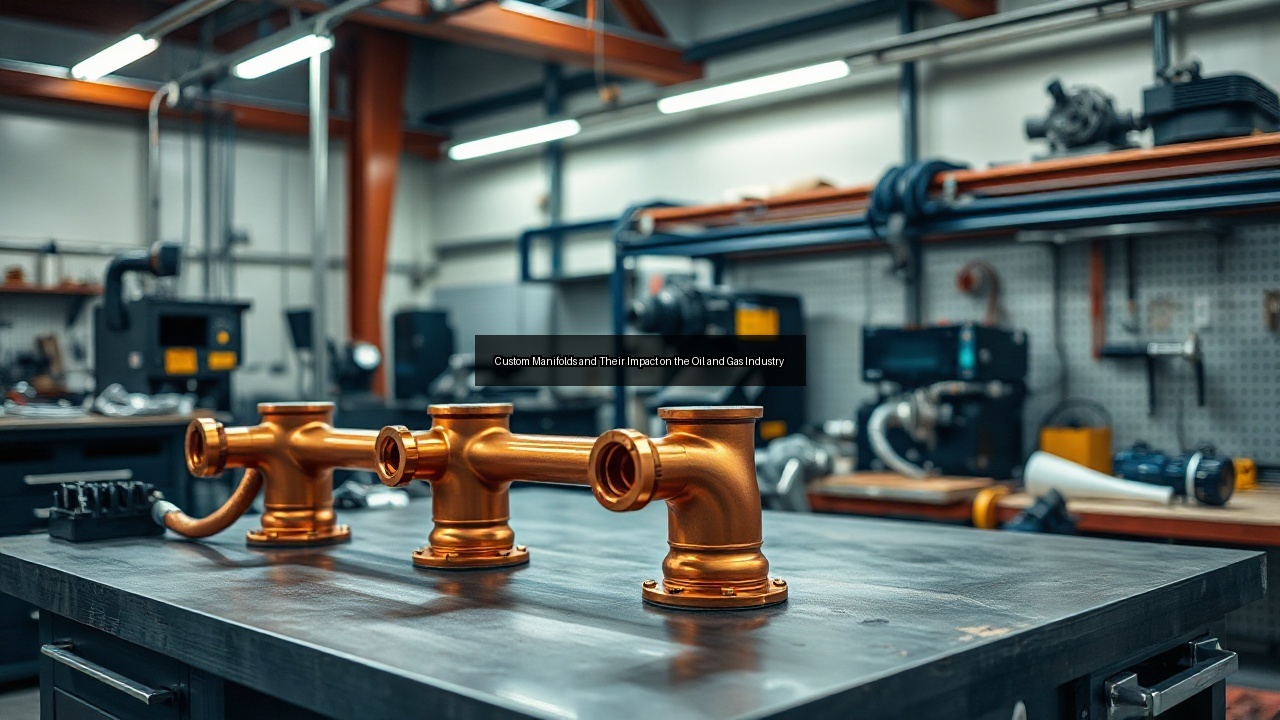
The Role of Custom Manifolds in the Oil and Gas Industry
Understanding Custom Manifolds: Applications and Benefits
Custom manifolds play a critical role in the oil and gas industry, acting as essential components in various systems. They serve multiple applications, including the management and distribution of fluids, which makes them indispensable in hydraulic systems. These specialized manifolds streamline the flow of oil, gas, and other fluids, ensuring efficient operation across different processes. Companies in the oil and gas sector utilize custom manifolds to enhance system performance and reliability. By integrating valves, pumps, and other components, custom manifolds help optimize hydraulic systems and improve overall fluid control.
The benefits of using custom manifolds extend beyond mere fluid management. They contribute significantly to the reduction of leakage and pressure drops, which are crucial for maintaining system integrity. Custom designs allow for tailored solutions that meet specific operational requirements, enhancing system flexibility and functionality. Moreover, the use of high-quality materials, such as stainless steel and aluminum, ensures durability and resistance to harsh environmental conditions typically encountered in oil and gas operations. The investment in custom manifolds results in long-term savings by minimizing maintenance needs and downtime, ultimately boosting productivity in the industry.
Key Components: Materials and Design Considerations
When designing custom manifolds, several key components and material choices come into play. The selection of materials significantly impacts the manifold's performance and longevity. Stainless steel is a popular choice due to its corrosion resistance and strength, making it suitable for harsh environments common in the oil and gas sector. Aluminum offers lightweight properties, which can be advantageous in applications where weight reduction is essential. Steel manifolds provide robustness and are often employed in high-pressure applications, making them a staple in various hydraulic systems.
Design considerations also play a vital role in the effectiveness of custom manifolds. Engineers must account for factors such as flow rates, pressure ratings, and temperature fluctuations. The arrangement of ports and valves within the manifold affects fluid dynamics, so precise engineering is crucial. Advanced software tools allow engineers to simulate and model manifold designs, ensuring optimal performance before manufacturing. Additionally, incorporating features like thermal management systems can enhance the manifold's efficiency, particularly in exhaust applications where heat dissipation is critical. Thoughtful design and material selection lead to custom manifolds that not only meet but exceed operational expectations in the oil and gas industry.
Engineering Custom Manifolds: Design and Manufacturing Processes
Software Tools for Custom Manifold Design
The engineering process for custom manifolds heavily relies on advanced software tools that facilitate design and simulation. These tools allow engineers to create detailed 3D models, enabling precise visualization of manifold configurations. Software such as CAD (Computer-Aided Design) helps streamline the design process by offering robust features for modeling complex geometries. Engineers can simulate fluid flow through the manifold, identify potential bottlenecks, and optimize the layout for efficiency. By using these tools, teams can also conduct stress analysis and ensure that the manifold can withstand operational pressures and environmental conditions.
Collaboration within design teams becomes more efficient with the use of specialized software. Engineers can share models and receive real-time feedback, allowing for rapid iterations and modifications. This collaborative approach helps mitigate errors early in the design phase, reducing the risk of costly changes during manufacturing. Additionally, integrating software with manufacturing processes can enhance workflow, ensuring that the transition from design to production is seamless. Overall, the integration of advanced software tools in custom manifold design not only accelerates development but also ensures that the final product meets rigorous industry standards and performance requirements.
Fabrication Techniques: Steel vs. Aluminum vs. Stainless Steel
Fabrication techniques for custom manifolds vary based on the material used, each offering distinct advantages and challenges. Steel, known for its strength and ability to handle high pressures, is often used in heavy-duty applications. Techniques such as welding and machining are common in steel fabrication, allowing for precise assembly of complex manifold designs. However, steel manifolds may require additional protective coatings to prevent corrosion, especially in harsh oil and gas environments.
Aluminum manifolds, on the other hand, are favored for their lightweight characteristics. Fabrication techniques for aluminum often involve extrusion and CNC machining, enabling rapid production of intricate designs. While aluminum offers excellent thermal conductivity, it may not withstand high-pressure applications as effectively as steel. Thus, careful consideration of the intended application is crucial when choosing aluminum for custom manifolds.
Stainless steel combines the benefits of both materials, providing strength and corrosion resistance. Fabrication techniques for stainless steel include welding and bending, allowing for a wide range of designs. The versatility of stainless steel makes it suitable for various applications, from hydraulic systems to exhaust manifolds. Manufacturers often choose the optimal fabrication technique based on the specific requirements of the manifold, ensuring that each unit meets stringent performance and durability standards.
Impact of Custom Manifolds on Fluid Power Systems
Hydraulic Systems and Custom Manifold Integration
Custom manifolds significantly enhance the performance of hydraulic systems within the oil and gas industry. By integrating various components such as pumps, valves, and actuators, these manifolds streamline fluid power distribution. This integration minimizes the number of connection points, reducing the risk of leaks and improving system efficiency. A well-designed custom manifold can optimize flow paths, ensuring that hydraulic fluid moves seamlessly through the system, thereby enhancing overall performance.
Moreover, custom manifolds facilitate easier maintenance and troubleshooting. By consolidating multiple functions into a single unit, technicians can quickly access and service components, reducing downtime. This capability becomes particularly valuable in remote or offshore operations, where maintenance can be challenging. The adaptability of custom manifolds allows companies to tailor solutions that meet specific operational needs, enhancing the reliability and functionality of hydraulic systems in various applications, including drilling and extraction processes.
Enhancing Performance with Custom Exhaust Manifolds
Custom exhaust manifolds also play a pivotal role in optimizing engine performance, particularly in the oil and gas sector. These manifolds effectively manage exhaust flow, reducing back pressure and improving engine efficiency. Engineers design custom exhaust manifolds to fit specific engine configurations, ensuring optimal airflow and thermal management. This tailored approach leads to improved fuel efficiency and reduced emissions, aligning with industry standards for environmental sustainability.
Utilizing advanced materials and fabrication techniques, custom exhaust manifolds can withstand high temperatures and corrosive environments. This durability ensures that they function effectively over extended periods, minimizing the need for replacements. Moreover, the integration of features like thermal barriers enhances heat dissipation, which is critical in preventing engine overheating. The performance benefits of custom exhaust manifolds directly contribute to the overall efficiency of fluid power systems, making them indispensable in modern oil and gas applications.
Future Trends in Custom Manifold Manufacturing
Innovations in Thermal Management and Efficiency
The future of custom manifold manufacturing is poised for significant innovations, particularly in thermal management and efficiency. Advances in materials science lead to the development of new alloys and composites that enhance the thermal properties of manifolds. These materials can withstand higher temperatures while maintaining structural integrity, allowing for improved performance in demanding applications. Manufacturers are also exploring innovative cooling solutions, such as integrated heat exchangers, which can be incorporated into custom manifolds to manage heat more effectively.
Additionally, the push for greater efficiency drives the evolution of manifold designs. Engineers are continuously seeking ways to optimize flow paths and reduce pressure drops, which can lead to energy savings. Simulation software allows for rapid prototyping and testing of new designs, ensuring that innovations can be quickly implemented in production. As companies prioritize sustainability, the development of energy-efficient custom manifolds will become increasingly important, aligning with broader industry goals for reduced environmental impact.
Custom Solutions for Diverse Industries: From Agriculture to Construction
Custom manifolds are not limited to the oil and gas industry; their applications extend across various sectors, including agriculture, construction, and forestry. In agriculture, custom manifolds facilitate the efficient delivery of fluids for irrigation and chemical application systems. These manifolds can be designed to handle varying flow rates and pressure requirements, ensuring that agricultural operations run smoothly.
In the construction industry, custom manifolds play a vital role in hydraulic systems used in heavy machinery. They help manage the flow of hydraulic fluid, ensuring that equipment operates efficiently and reliably. The adaptability of custom manifolds allows manufacturers to create tailored solutions that meet the specific needs of diverse applications, from mining to forestry operations. As industries continue to evolve, the demand for custom manifolds will grow, driving innovation and development across multiple sectors.