Exploring Eco-Friendly Options in Duct Fabrication and Manufacturing
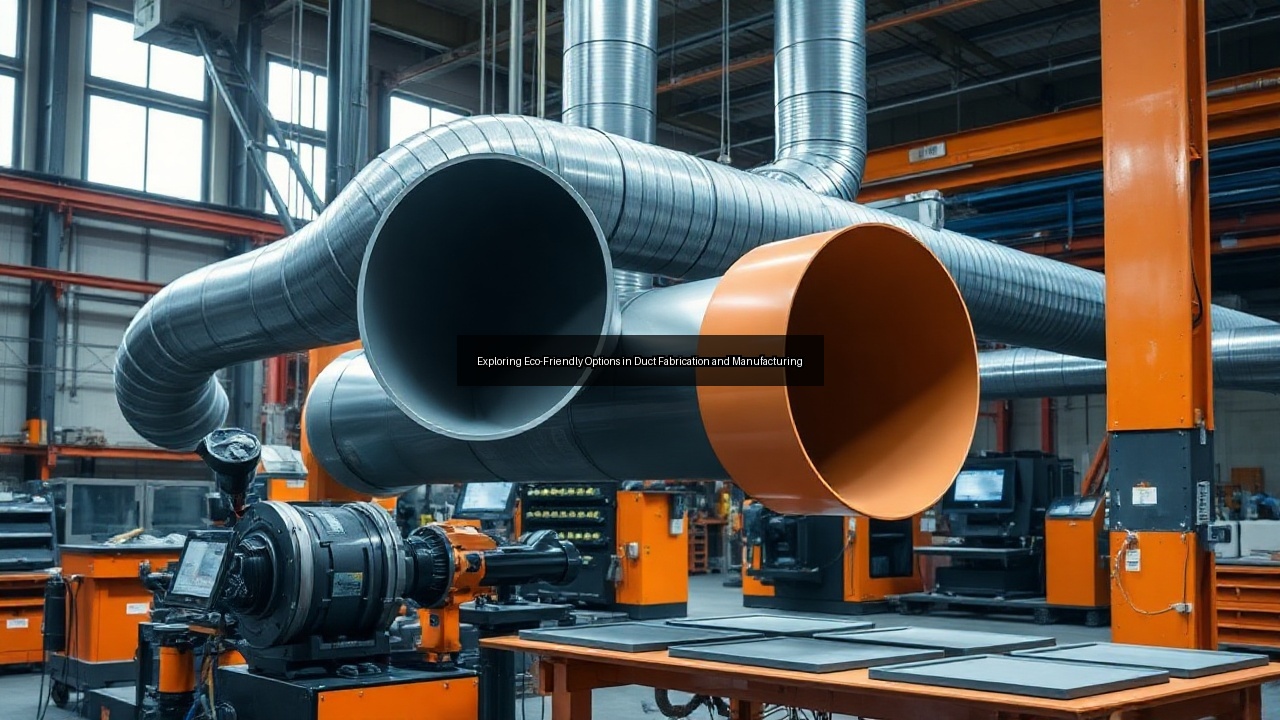
The Importance of Eco-Friendly Ductwork Fabrication
Understanding Sustainability in HVAC Systems
HVAC systems rely on effective ductwork fabrication to deliver conditioned air throughout buildings. Sustainable approaches focus on reducing energy demands during both production and operation. Manufacturers now prioritize materials and methods that lower overall resource consumption while maintaining performance standards for air ducts and airflow management. This shift supports broader goals in the construction industry where energy efficiency directly impacts operational costs and environmental footprints. Professionals in duct fabrication services examine every stage from raw material sourcing to final installation. They track how hvac ducts interact with building envelopes to prevent unnecessary losses. By integrating lifecycle assessments, teams identify opportunities to cut emissions tied to traditional production lines. Ductwork systems designed with sustainability in mind also improve indoor air quality through better sealing and reduced off-gassing. Companies that adopt these practices often see faster project approvals because clients demand lower carbon profiles. The emphasis remains on creating durable air duct networks that require fewer replacements over decades of service.
The Environmental Impact of Traditional Ducts
Traditional duct fabrication consumes large quantities of virgin metals and generates substantial waste during cutting and assembly. Mining and processing steel or aluminum release greenhouse gases and disturb natural habitats. Old hvac ductwork frequently ends up in landfills after demolition because it lacks easy recyclability features. Energy-intensive forming processes add to the carbon load before any duct reaches a job site. Poorly sealed traditional ducts also waste conditioned air, forcing hvac systems to work harder and burn more fuel. Sheet metal ductwork produced without modern efficiencies contributes to higher operational emissions across commercial and residential buildings. Fabrication shops that rely on outdated equipment produce excess scrap that cannot always return to the supply chain. These cumulative effects compound when projects scale to large complexes with extensive duct networks. Environmental regulations now push fabricators to document and reduce these impacts through better planning and material tracking.
Benefits of Eco-Friendly Duct Materials
Eco-friendly options in ductwork fabrication deliver measurable gains in energy savings and reduced waste. Recycled content lowers the embodied energy compared with new metals while preserving structural integrity for hvac ducts. These materials support easier end-of-life recovery, allowing components to reenter manufacturing streams instead of disposal sites. Improved insulation layers cut heat transfer, which stabilizes airflow and reduces the load on heating and cooling equipment. Building owners report lower utility bills once sustainable duct systems replace older installations. Health advantages emerge from finishes free of volatile compounds that once leached into circulated air. Duct fabrication services using these alternatives often complete projects with smaller crews because modular designs speed assembly. Long-term durability extends service life, decreasing the frequency of full replacements and associated resource use. Municipal incentives further encourage adoption by offering credits for verified low-impact ductwork systems.
Innovative Materials for Duct Fabrication
Recycled and Sustainable Materials
Recycled steel and aluminum now form the backbone of many duct fabrication projects. Suppliers certify post-consumer content levels that meet project specifications without sacrificing strength or corrosion resistance. Fabricators also experiment with bio-based composites derived from agricultural byproducts that replace petroleum-derived components in certain duct applications. These choices reduce reliance on extractive industries while maintaining compatibility with standard hvac duct connectors and fittings. Sourcing locally recycled stock shortens supply chains and cuts transportation emissions tied to raw material delivery. Ductwork fabrication teams test new blends for fire ratings and acoustic performance before approving them for widespread use. Partnerships with metal recyclers ensure steady feedstock for ongoing production runs. The result appears in finished air ducts that carry environmental product declarations documenting lower global warming potential. Adoption grows as specifications increasingly reference these certified materials for public and private sector work.
The Role of Insulation in Eco-Friendly Ducts
Insulation choices determine how effectively ductwork maintains temperature and controls condensation. Natural fiber options such as recycled denim or mineral wool provide thermal resistance without the high embodied energy of foam boards derived from virgin chemicals. These sustainable layers wrap around hvac ducts to limit heat gain or loss, directly supporting efficient airflow. Proper installation prevents moisture buildup that could degrade both the duct material and indoor air quality. Manufacturers now offer pre-insulated duct sections that arrive ready for quick connection, reducing on-site waste from separate insulation handling. Fabricators evaluate R-values alongside environmental attributes when selecting products for different climate zones. The combination of recycled facings and low-VOC adhesives further enhances the overall sustainability profile of the entire duct system. Projects that specify advanced insulation report measurable drops in energy consumption once systems come online.
Comparing Traditional vs. Eco-Friendly Duct Materials
Side-by-side evaluations show eco-friendly duct materials often match or exceed traditional performance in strength and longevity. Recycled content versions demonstrate equivalent pressure ratings and leak resistance when fabricated under controlled conditions. Initial material costs may run slightly higher, yet lifecycle savings from reduced energy use and simpler disposal offset the difference. Traditional sheet metal ductwork requires more frequent maintenance in corrosive environments, while sustainable alternatives incorporate protective coatings derived from renewable sources. Airflow characteristics remain consistent across both categories provided designers follow proper sizing guidelines. Fabrication services track these metrics through standardized testing protocols that compare thermal conductivity and acoustic transmission. Clients reviewing bids increasingly request data tables that quantify embodied carbon alongside first-cost figures. Over multiple project cycles, the eco-friendly path consistently lowers total ownership expenses.
Efficient Manufacturing Processes
Streamlining the Fabrication Process
Lean principles applied to duct fabrication services eliminate redundant steps and material handling. Digital templates replace paper patterns, allowing precise cuts that reduce scrap rates during production of custom air ducts. Work cells organized around common hvac duct sizes speed throughput while maintaining quality checkpoints. Inventory management systems flag when recycled stock levels require replenishment, preventing production delays. Cross-trained operators handle multiple stages of the fabrication process, increasing flexibility without expanding headcount. These adjustments shorten lead times for ductwork systems and improve responsiveness to design changes. Shops that document every process improvement share best practices through industry associations. The cumulative effect appears in higher output per labor hour and lower overall energy draw per completed duct section.
Energy-Efficient Practices in Duct Manufacturing
Modern duct manufacturing facilities install high-efficiency motors on forming and cutting equipment to cut electricity consumption. LED lighting throughout the shop floor reduces baseline power demand during long production shifts. Heat recovery systems capture warmth from welding or plasma cutting operations and redirect it for space heating. Facility managers schedule energy-intensive tasks during off-peak utility hours when possible. Water recycling loops support cooling needs in high-volume fabrication lines. These measures lower operating costs and shrink the carbon intensity of every piece of ductwork that leaves the plant. Third-party audits verify savings and help qualify projects for green building certifications that reference efficient manufacturing practices.
Use of Technology in Eco-Friendly Duct Production
Computer-controlled machinery now guides plasma cutters and folding brakes with minimal human intervention, producing consistent hvac ducts from sustainable stock. Software simulates airflow through proposed duct layouts before any metal is cut, preventing costly rework. Automated welding stations reduce filler material waste while maintaining joint integrity. 3D modeling tools allow fabricators to nest multiple duct components on single sheets, maximizing material utilization. Real-time monitoring dashboards track energy use per shift and flag deviations that could increase environmental impact. These technologies integrate directly with duct length calculator outputs to optimize production batches. Adoption continues as costs decline and compatibility with existing fabrication process equipment improves.
Measuring and Calculating for Eco-Friendly Duct Systems
Using a Duct Length Calculator
A duct length calculator helps designers determine exact measurements needed for each run of ductwork. Accurate inputs prevent over-ordering of materials and reduce waste generated during installation. Fabricators import calculator outputs directly into cutting software to produce only the required lengths of hvac ducts. This precision supports sustainability targets by minimizing excess metal that would otherwise become scrap. Users adjust parameters for fittings and transitions while the tool flags opportunities to shorten paths without compromising airflow. Projects that employ calculators early in planning report tighter material budgets and faster fabrication cycles. Training programs teach estimators how to combine calculator data with local code requirements for optimal results.
Optimizing Airflow in HVAC Ducts
Proper sizing and routing of hvac ducts maintain target airflow rates while limiting fan energy consumption. Smooth interior surfaces and gradual transitions reduce turbulence that increases resistance. Designers apply calculator outputs to balance supply and return paths across the entire ductwork system. Sealing techniques developed for sustainable materials further prevent leakage that wastes conditioned air. Regular commissioning verifies that actual performance matches modeled values. These optimizations lower the electrical load on hvac equipment and extend component life. Building operators track airflow metrics after occupancy to confirm sustained efficiency gains from the initial design choices.
Design Considerations for Sustainable Ductwork Systems
Sustainable ductwork systems incorporate modular sections that simplify future modifications or disassembly. Designers select materials and joint methods that support eventual recycling without specialized tools. Integration with building automation allows dynamic adjustment of airflow based on occupancy sensors. Space planning accounts for insulation thickness and access panels needed for maintenance. Early coordination between architects and duct fabrication teams prevents clashes that force inefficient rerouting. Documentation packages include material passports that list recycled content percentages and end-of-life instructions. These considerations collectively reduce the environmental burden across the full service life of the installed hvac ducts.