How Duckbill Check Valves Revolutionize Waterworks Design

Understanding Duckbill Check Valves
What is a Duckbill Check Valve?
A duckbill check valve consists of a flexible rubber sleeve that opens under forward flow and seals tightly against backflow. Manufacturers shape the valve like a duck's bill, which gives the device its name and allows it to handle varying volumes without mechanical parts. This simple construction fits directly into piping systems that transport water or other fluids. Engineers install duckbill valves in waterworks projects where traditional metal components would corrode or require frequent replacement. The rubber material resists chemicals and maintains flexibility across wide temperature ranges. Because the valve needs no springs or hinges, it integrates cleanly with pumps and existing pipe networks. Operators gain reliable one-way flow control while keeping maintenance costs low over the equipment's service life.
How Duckbill Check Valves Work
Forward pressure forces the rubber lips of the duckbill check valve apart, permitting fluid to pass through the opening. When pressure reverses, the lips close instantly and create a tight seal that prevents backflow. The design responds to even low differential pressures, making it suitable for gravity-fed lines and variable-speed pumps. Unlike rigid check valves, the duckbill valve adapts its opening size to match actual flow volume, which reduces turbulence and pressure loss. Waterworks crews appreciate the silent operation because the rubber absorbs shock instead of transmitting it through metal piping. The valve handles slurries and debris-laden water without jamming, since nothing inside obstructs the passage. Routine inspection involves only visual checks of the exterior jacket for wear.
Comparing Duckbill Check Valves to Traditional Check Valves
Traditional check valves rely on metal discs, balls, or swing gates that move against seats and often require lubrication or adjustment. Duckbill check valves replace those moving parts with a single molded rubber element that performs the same function more reliably in corrosive environments. The absence of metal reduces galvanic corrosion risks when the valve contacts dissimilar pipe materials. Flow tests show that duckbill valves produce lower head loss at equal flow rates, which improves overall pump efficiency. Maintenance crews replace traditional units more often because seats wear and debris lodges under discs. Duckbill valves simply flex open and closed, so they tolerate abrasive fluids better. Manufacturers supply both styles, yet waterworks designers increasingly specify duckbill models when long-term reliability matters most.
Applications of Duckbill Check Valves in Waterworks Design
Utilization in Water Pump Systems
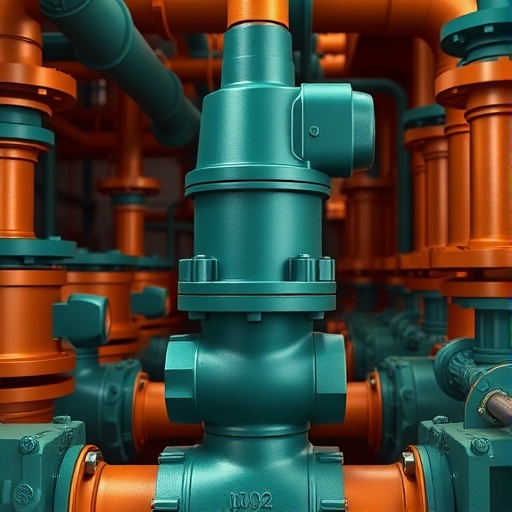
Water pumps benefit when engineers place a duckbill check valve on the discharge side to stop reverse rotation after shutdown. The valve opens smoothly as the pump builds pressure and closes before backflow can spin the impeller backward. This protection extends bearing life and prevents water hammer events that damage pipe joints. In lift stations, duckbill valves handle the cyclic on-off action of submersible pumps without the noise associated with metal clappers. Operators monitor performance through pressure gauges rather than frequent teardowns. The rubber construction resists the chlorinated water common in municipal systems and maintains seal integrity even after thousands of cycles. Pump manufacturers now offer preassembled skids that include the duckbill valve as standard equipment.
Integration with Piping and Valves
Duckbill check valves slip between flanges or insert directly into pipe ends, which simplifies retrofits in crowded valve vaults. Their low profile allows tighter spacing between adjacent valves compared with bulky swing-check models. Designers combine the duckbill valve with isolation valves so crews can service pumps without draining entire lines. The rubber sleeve conforms to minor pipe misalignments, reducing the need for precision alignment during installation. In large-diameter water mains, multiple duckbill valves operate in parallel to manage higher volumes while preserving the same quick-response sealing. Piping layouts remain cleaner because the valve requires no external supports or actuators. Waterworks projects achieve faster commissioning when crews use these compact components.
Role in Pressure Management
Pressure surges decrease when duckbill valves close gradually as flow tapers off, rather than slamming shut. The flexible lips dampen the reflected wave that would otherwise stress joints and fittings. In high-elevation zones, the valve maintains prime in suction lines connected to water pumps by blocking air ingress. Operators adjust upstream control valves while relying on the duckbill unit for automatic backflow prevention. Field data confirm that systems equipped with duckbill valves experience fewer leaks at lower operating pressures. The valve also protects sensitive instrumentation from reverse flow that could contaminate sensors. Overall pressure stability improves, which supports consistent delivery volumes across the distribution network.
Advantages of Duckbill Check Valves
Improved Flow Control
The variable orifice of a duckbill check valve matches actual demand, which eliminates the fixed restriction found in many metal check valves. Water flows more uniformly, and pumps operate closer to their best efficiency points. Engineers measure reduced energy consumption after retrofitting older stations with duckbill valves. The smooth interior surface discourages scale buildup that would otherwise narrow the flow path over time. During peak demand, the valve opens fully to pass required volumes without excessive velocity. This responsive behavior supports both constant-speed and variable-frequency drive pumps. Waterworks managers report steadier pressure readings throughout the day when duckbill valves replace older equipment.
Reduced Maintenance Needs
Rubber duckbill valves lack the pivot pins, springs, and seats that wear in conventional designs. A single visual inspection per year usually suffices, and replacement involves removing a few bolts rather than rebuilding an entire assembly. Inventory managers keep fewer spare parts because one size often covers multiple pipe diameters. The absence of metal-to-metal contact removes the need for periodic lubrication. In remote installations, this reliability cuts unplanned service calls and extends intervals between scheduled outages. Manufacturers document service lives exceeding twenty years in clean water applications. Crews redirect labor hours previously spent on valve repairs toward other waterworks priorities.
Versatility in Fluid Handling
Duckbill valves accommodate water, wastewater, sludge, and chemical dosing streams without special coatings. The rubber compound can be formulated for specific fluids, including those with hydrocarbons or high salinity. Temperature ratings span from arctic conditions to hot process lines. Because the valve seals at very low backpressures, it functions effectively in both pressurized and gravity systems. Manufacturers produce jacketed versions for buried or submerged service where external protection matters. The same basic design scales from small residential pumps to large municipal intakes. This broad applicability lets designers standardize on one valve type across diverse project requirements.
Choosing the Right Duckbill Check Valve

Factors to Consider: Material and Design
Selection begins with matching the rubber compound to the fluid chemistry and temperature range. Neoprene handles chlorinated water well, while EPDM suits higher-temperature applications. Designers review the required opening pressure and maximum backpressure ratings before finalizing size. The valve must fit the pipe schedule and flange rating already specified for the project. Some installations require a protective jacket to guard against ultraviolet exposure or mechanical damage. Manufacturers supply detailed flow curves that help engineers predict head loss at design conditions. Proper material choice prevents premature aging and maintains the seal integrity essential for waterworks reliability.
Inventory Management for Manufacturers
Manufacturers maintain stock of common duckbill sizes and compounds to meet rapid delivery expectations from contractors. Modular designs allow quick assembly of different end connections from standard components. Inventory tracking systems flag slow-moving specialty compounds so production can adjust accordingly. Distributors store valves in climate-controlled warehouses to preserve rubber elasticity until installation. Clear labeling of part numbers and material specifications reduces errors when crews pull items for projects. Effective inventory practices keep project schedules on track and minimize costly rush orders. Waterworks clients benefit from shorter lead times when suppliers manage stock levels proactively.
Expert Recommendations for Optimal Use
Experts advise installing the duckbill check valve with at least five pipe diameters of straight run upstream to ensure even flow distribution across the lips. They recommend avoiding sharp elbows immediately downstream that could create uneven backpressure. During commissioning, operators confirm that the valve opens fully at minimum expected flow and seals at zero differential. Regular documentation of pressure readings helps detect gradual changes that might indicate material degradation. When replacing older valves, experts match the original flange pattern to avoid custom adapters. Training sessions for maintenance staff emphasize gentle handling during storage and installation to prevent cuts in the rubber. These practices maximize the performance and longevity of duckbill valves in demanding waterworks environments.
The Future of Waterworks with Duckbill Technology

Innovations in Valve Designs
Recent advances include multi-layer rubber constructions that add abrasion resistance while preserving flexibility. Some manufacturers embed sensors into the valve jacket to provide real-time data on flow and seal condition. Computational modeling now optimizes lip geometry for specific flow profiles, further lowering energy use. 3D-printed molds allow rapid prototyping of custom duckbill shapes for unusual piping constraints. Hybrid valves combine the duckbill element with a lightweight composite body that reduces weight during installation. These developments expand the range of applications while maintaining the core simplicity that makes the technology attractive.
Sustainability and Environmental Impact
Longer service intervals mean fewer valves enter the waste stream over a project's lifetime. Recyclable rubber compounds and reduced metal content lower the embodied energy of each unit. Efficient flow control cuts electricity consumption at pumping stations, which represents a significant share of water utility operating costs. Duckbill valves also limit leakage that would otherwise waste treated water. Municipalities report measurable reductions in non-revenue water after widespread adoption. The technology supports broader sustainability goals without requiring major changes to existing infrastructure.
Case Studies: Successful Implementations
A coastal city replaced aging swing-check valves on its raw-water intake pumps with duckbill units and recorded a 12 percent drop in energy use within the first year. Maintenance logs showed zero unplanned outages related to backflow during the subsequent five years. Another project integrated duckbill valves into a high-pressure transmission main serving mountainous terrain; pressure transients decreased enough to eliminate several planned surge tanks. In both cases, operators cited the valves' quiet performance and minimal upkeep as decisive factors. These examples illustrate how duckbill check valve technology delivers measurable improvements across diverse waterworks settings.
See Also
- A Deep Dive into Duckbill Valve Designs and Their Advantages
- Troubleshooting Common Issues with Duckbill Check Valves
- The Science Behind Duckbill Check Valves and Their Pressure Regulation
- Why Rubber Duckbill Check Valves Are the Future of Fluid Control
- Discover the Benefits of Duckbill Check Valves in Modern Pump Systems